Skip to content

If you manage a distribution centre, 3PL facility, or bulk warehousing site anywhere from Derrimut to Dandenong South, dust is probably costing you more than you think. It’s not just a cleaning problem: it’s a WorkSafe Victoria exposure risk, a driver of forklift and conveyor downtime, and, increasingly, a trigger for EPA scrutiny under Victoria’s toughened environmental laws. For warehouse owners and operations managers, the question isn’t whether dust needs managing but how to build a defensible, cost-effective program before an inspector, an insurer, or a community complaint forces the issue.
This guide lays out the best practices for dust control that Melbourne logistics operators need in 2026: why the problem is structurally different here than almost anywhere else in Australia, what it’s really costing you, which zones in your facility carry the highest risk, and the specific protocols, equipment and hiring criteria that separate a compliant site from a liability. Every figure is sourced (see the methodology section below), so you can take this straight into a budget conversation or a contractor brief.
Warehouses generate dust the way offices generate paperwork: it’s a byproduct of doing business. But logistics hubs generate it at an industrial scale that few other commercial property types come close to. Forklift tyres grinding across concrete all day, cardboard and stretch-wrap fibres shedding at every pick station, timber pallets abrading against racking and floors: these three sources alone account for the bulk of everyday particulate load inside a working warehouse, according to industry reviews of goods-handling operations published by transport and hygiene bodies internationally.
Two regulatory frameworks then turn that everyday nuisance into a genuine liability. Under WorkSafe Victoria’s workplace exposure standards, general (nuisance) respirable dust is capped at 3 mg/m³ as an eight-hour time-weighted average, a limit that’s easy to approach in a busy, poorly ventilated warehouse during peak season. Separately, since 2021 every business in the state carries a General Environmental Duty under the Environment Protection Act 2017, meaning visible dust drifting off your site is a potential breach regardless of whether a specific air-quality limit was ever exceeded.
Then there’s geography. The Port of Melbourne now moves roughly 3.4 million TEU a year, and the vast majority of that freight passes through logistics hubs concentrated in Melbourne’s west and north, precincts sitting on the exposed, naturally dry Victorian Volcanic Plains. High import volumes mean more truck movements, more pallet handling, and more dust load than a comparable facility almost anywhere else in the country would face.
Professional warehouse cleaning services in Melbourne exist precisely because this combination of freight volume, climate and regulation makes ad-hoc, in-house cleaning insufficient for most mid-to-large logistics sites.
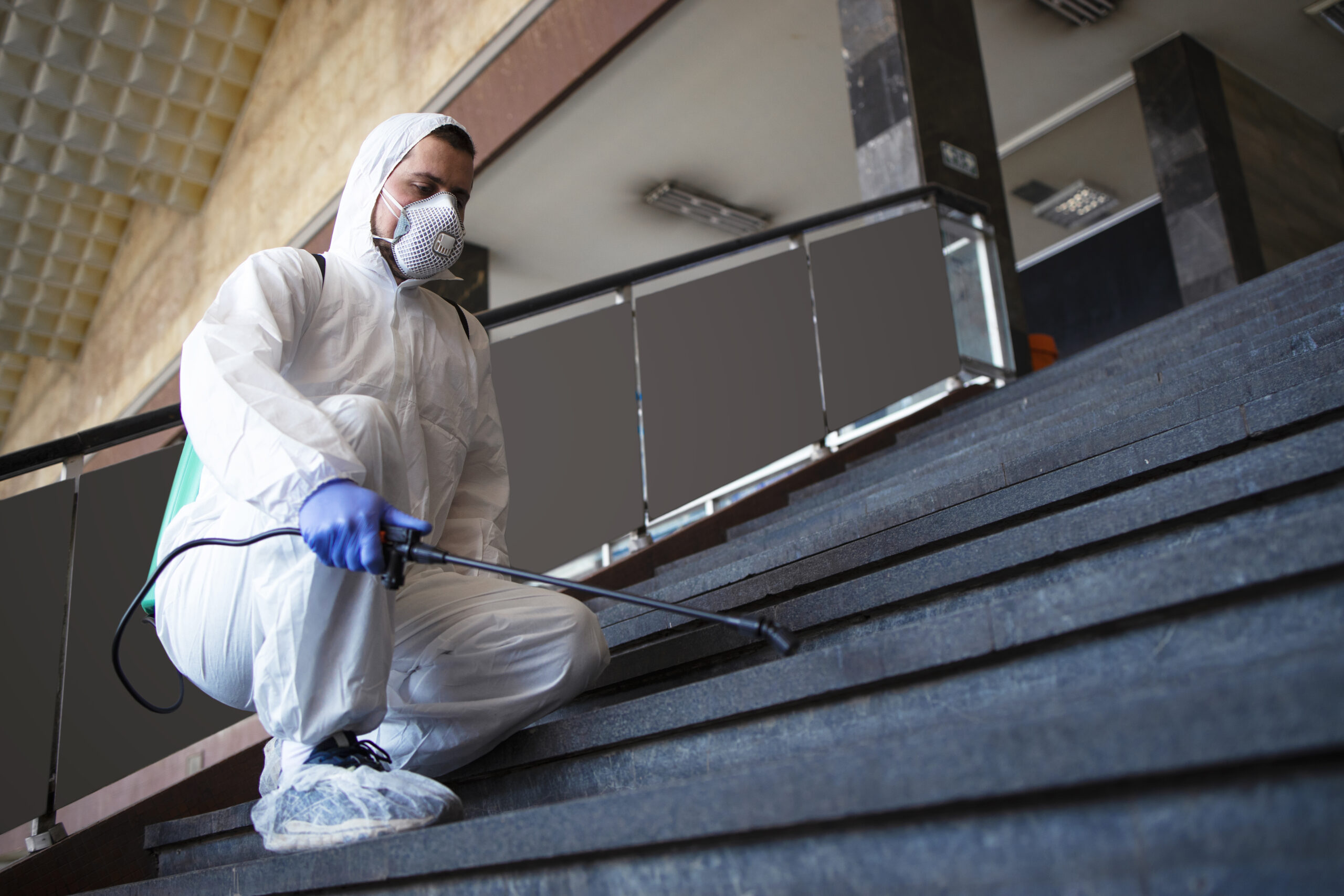
WorkSafe Victoria doesn’t sort dust into a formal numbered classification system, but in practice it’s worth thinking about warehouse dust in three risk tiers, because each carries a different level of legal exposure, and prioritising your remediation budget by legal risk, not by visibility, is how experienced OHS officers get the most value from a limited spend.
Under the Commonwealth model WHS framework adopted across Australian jurisdictions, businesses handling material where crystalline silica content is 1% or higher (which includes standard concrete) must treat any dry cutting, grinding or abrasive floor wear as high-risk crystalline silica work, with monitoring and control obligations that follow.
Before we get into costs and protocols, here’s exactly where the numbers in this guide come from, because a compliance document is only as useful as its sourcing:
Where a figure is genuinely an industry estimate rather than a government-published number (for example, typical equipment wear-and-tear patterns reported by material handling manufacturers), we’ve flagged it as such rather than presenting it as a hard regulatory figure.
Dust control is easy to defer because the costs of inaction are diffuse: a bit of equipment wear here, a near-miss WorkSafe visit there. Add it up, and the case for a proactive program becomes obvious.
Regulatory exposure. Under section 21 of the Occupational Health and Safety Act 2004 (Vic), failing to provide a working environment that is safe and without risks to health, which squarely covers uncontrolled dust, carries a maximum penalty of 1,800 penalty units for an individual and 9,000 penalty units for a body corporate. At the current 2025 to 2026 penalty unit value of $203.51, that’s a theoretical ceiling of roughly $366,000 for an individual and more than $1.8 million for a company. Separately, EPA breaches of the General Environmental Duty can attract comparable penalties. These are maximums reserved for serious or repeat breaches, but they set the risk ceiling your insurer and your board will want to understand.
Equipment degradation. Airborne particulate is one of the most consistently cited causes of premature wear in forklifts, reach trucks and conveyor systems: clogging air filters, infiltrating hydraulic seals, and accelerating bearing wear in scanners and sortation equipment. Most material handling equipment manufacturers’ maintenance guidance flags dust ingress as a leading avoidable cause of unscheduled downtime, and the maintenance intervals shorten noticeably on sites without active dust control.
Workers’ compensation exposure. Respiratory disease claims, including those linked to silica exposure, are consistently among the costliest and slowest-resolving categories of workers’ compensation claim in Victoria, often involving extended time off work, permanent impairment assessments, and in severe cases lifetime medical monitoring for conditions like silicosis, which has no cure.
Cleaning economics. A reactive approach, calling in a deep clean only once dust has visibly accumulated on racking, HVAC intakes and stored inventory, is consistently more expensive per square metre than a scheduled, proactive program, because heavy, compacted, aged dust takes longer to safely remove and often requires additional passes with commercial pressure cleaning for loading dock areas to shift ground-in grime that routine sweeping never touches.
WorkSafe Victoria’s enforcement escalates in tiers, and dust breaches typically move through this sequence rather than jumping straight to prosecution:
The gap between an Improvement Notice and a Prohibition Notice often comes down to documentation: sites that can show an existing, dated dust management plan and monitoring records are treated very differently from those that can’t.
Not every part of your facility generates or carries the same dust risk, and treating them identically wastes budget. Here’s how the risk typically breaks down across a standard Melbourne distribution centre:
| Zone | Primary Dust Source | Typical Particle Profile | Risk Level |
| Loading dock | Vehicle track-in, exhaust particulate, external yard dust | Coarser, PM10-dominant | High (external ingress point) |
| Forklift aisles | Tyre abrasion on concrete, floor “dusting” | Coarser PM10, some respirable silica | High (continuous generation) |
| High-bay racking | Settled overhead dust dislodged during picking | Mixed, drops as PM10 clumps | Often overlooked, high compliance risk |
| Pick-and-pack stations | Cardboard fibre, stretch-wrap particulate, packaging debris | Finer PM2.5-leaning | Moderate to high, worker proximity |
| HVAC / ventilation intakes | Recirculated internal dust, unfiltered external air | Mixed, depends on filter grade | Moderate, whole-facility impact |
| Mezzanine levels | Settled dust from below, reduced natural airflow | Fine, accumulates undisturbed | Moderate, often skipped in cleans |
The loading dock deserves particular attention in Melbourne. During the drier westerly wind months from roughly March through October, open dock doors don’t just let dust escape: they actively pull external particulate in from adjacent unsealed yards, access roads, and, for sites near the port precinct, surrounding industrial land uses. A warehouse cleaning program designed specifically for Melbourne logistics facilities accounts for this seasonal wind pattern rather than applying a flat, year-round cleaning frequency.
The practical takeaway: floor-level dust is what everyone sees, but the highest compliance and safety risk often sits overhead and at the boundary, the two zones most easily missed by a standard sweep.
Most operators have their floor-level dust under reasonable control. Far fewer have addressed what’s sitting on top of their racking, rafters, and overhead cable trays, and this is where a lot of preventable exposure happens.
Here’s the mechanism: dust settles undisturbed on high-bay structures for weeks or months, often above 6 to 8 metres where nobody visually inspects it during routine housekeeping. Then a forklift or order picker jars the racking during retrieval, and that accumulated layer drops directly into the picking zone below: onto product, onto open cartons, and into the breathing zone of whoever’s doing the pick. This falls squarely within manual handling and airborne contaminant risk frameworks that WorkSafe Victoria expects employers to actively manage, not just react to.
Best practice is a monthly visual inspection of racking and overhead structures as a minimum, with a scheduled clean before accumulation becomes visible from floor level. Because this dust frequently includes concrete-derived particulate and settled respirable material, any vacuuming at height should use H13 or H14-rated HEPA filtration (the same standard required for handling crystalline silica dust at ground level) rather than a standard shop vacuum that simply redistributes fine particles back into the air.
This is the operational core of this guide: six protocols that, taken together, form a defensible dust management program you can hand to a contractor or use to audit your current one.
1. Floor Sealing & Surface Preparation. Bare, unsealed concrete “dusts” as forklift tyres and foot traffic wear down its porous surface layer, continuously releasing fine calcium silicate and crystalline silica particles. Sealing the slab addresses the problem at its source rather than managing the symptom. Two main approaches suit logistics environments: penetrating silicate densifiers (roughly $8 to $15/m² installed), which chemically harden the slab from within and suit general dry-goods warehousing, and epoxy or polyurethane coatings (roughly $25 to $45/m², depending on build thickness and colour coding), which suit high-traffic dock and chemical-storage zones needing a durable, cleanable film. Industry data from chemical dust-suppressant manufacturers consistently shows that eliminating dusting at the source, rather than sweeping it up after the fact, is the single highest-leverage intervention available.
2. Industrial Vacuuming Over Sweeping. Dry sweeping with a broom doesn’t remove dust: it aerosolises it and lets it resettle somewhere else, including in the breathing zone of the person doing the sweeping. It should be prohibited outright in any zone with regulated dust. In its place, use M-Class extraction (99.9% filtration efficiency, suited to silica, concrete and general construction-type dust) as the baseline standard for warehouse floors, stepping up to H-Class (99.995% filtration, HEPA H13/H14) for any confirmed high-risk or carcinogenic dust. Leaf blowers have no place in any regulated dust zone; they’re simply a more forceful way of putting dust back into the air.
3. HEPA Air Scrubber Deployment. Portable H13/H14-rated air scrubbers, positioned at pick zones, mezzanines and other areas of concentrated activity, continuously pull ambient air through HEPA filtration rather than waiting for dust to settle before it’s cleaned up. Correct placement matters as much as the unit itself: scrubbers should be positioned to create directional airflow toward the filter intake, not simply parked in a corner, or their practical capture rate drops well below the rated filtration efficiency.
4. Loading Dock Entry Control. The loading dock is your site’s primary ingress point for external dust, so it needs to be treated as a controlled boundary. Fit strip curtains or inflatable dock seals at every bay, install high-speed roller doors that minimise open-door time during loading, and position High-Volume Low-Speed (HVLS) fans to maintain slight positive internal pressure rather than allowing negative pressure to draw in yard dust. Loading dock pressure cleaning to eliminate compacted dust and grime should sit on a recurring schedule here, since this zone accumulates faster than almost any other part of the site.
5. Cleaning Frequency Scheduling. A tiered schedule prevents both under-cleaning and wasted spend on zones that don’t need daily attention:
| Frequency | Zone / Task |
| Daily | Floor aisles, forklift lanes, loading dock apron |
| Weekly | Racking spot-checks, pick-and-pack stations |
| Monthly | HVAC intakes, high-bay racking, mezzanine levels |
| Quarterly | Full facility industrial deep clean |
6. Contractor Verification & Documentation. WorkSafe Victoria treats documented cleaning records as material evidence of due diligence: the difference between “we generally keep on top of it” and a dated, auditable log is often the difference between an Improvement Notice and no notice at all. At minimum, retain records of cleaning dates, zones covered, equipment class used, and any air monitoring results, and keep them for at least the period recommended for OHS records in your industry. Documented warehouse cleaning programs that satisfy WorkSafe Victoria requirements should produce this paper trail as a standard deliverable, not an optional extra.
Once you’ve accepted that dust control needs a professional program, the next risk is hiring a general commercial cleaner who isn’t actually equipped for logistics-specific dust, and only discovering that gap during an inspection. Before signing anything, put these items in writing.
Equipment specification. Ask for the exact make and dust-class rating of the vacuum and extraction equipment that will be used on-site, not just “industrial vacuums.” For open floor areas, a ride-on scrubber-dryer is typically appropriate; for tighter aisles and racking, a compact walk-behind unit with a minimum wet or dry cleaning path is more practical. Whatever the format, confirm the unit and its filtration are rated M-Class or higher for any zone with concrete, silica, or general construction-type dust.
Licensing. In Victoria, labour hire providers, including many commercial cleaning contractors, must hold a valid licence under the Labour Hire Licensing Act 2018 (Vic). Ask to see current registration rather than taking a badge on a website at face value. Tidy Hands is a Labour Hire Authority-registered warehouse cleaning service in Melbourne, and this is a reasonable minimum bar to set for any contractor working around your inventory and staff.
Insurance. Confirm public liability cover appropriate to a logistics environment handling third-party inventory, and ask your broker or the contractor directly what level is standard for facilities of your size and stock value; this varies enough by site that a single blanket figure isn’t useful to quote here.
Scope of work. A proper scope should specify, in writing: zone classification (which areas get which treatment), particle-size or dust-class target, the equipment list by zone, cleaning frequency, documentation deliverables, and an explicit statement of how the program aligns with WorkSafe Victoria’s exposure standards.
Red flags. Walk away from any quote that proposes dry sweeping as a primary method, doesn’t mention HEPA filtration anywhere, has no reference to OHS alignment, or won’t put the scope of work in writing before you sign.
Even the best contractor program has gaps between scheduled visits, and dust re-accumulates faster in a busy logistics hub than most facility managers expect. Closing that gap is where your own team’s day-to-day habits matter.
Passive monitoring. Dust deposition cards (a low-cost, low-maintenance monitoring tool) placed at five or so fixed checkpoints around the facility (loading dock, main aisle, a representative pick station, mezzanine, and HVAC return) give you a simple visual trend line between professional inspections, without needing any powered equipment.
Active monitoring. For higher-risk sites, IoT-connected PM2.5/PM10 sensors provide real-time data rather than a retrospective snapshot. A practical internal alert threshold is 50 µg/m³, mirroring the EPA Victoria ambient 24-hour PM10 standard; treating it as an early-warning trigger rather than a hard legal limit for indoor air lets your team intervene before conditions ever approach a genuine exceedance.
Weekly visual inspection. An eight-point walk-through covers most of what tends to slip: racking and overhead structures, dock seal condition, HVAC intake cleanliness, forklift air filter condition, floor sealant integrity (look for renewed dusting or wear patterns), strip curtain condition, light fixture accumulation, and pick-station extraction performance.
Staff training. WorkSafe Victoria expects documented induction covering dust hazard identification, correct use of any on-site extraction equipment, and clear reporting obligations when someone notices a control has failed: a strip curtain torn off its rail, a scrubber not running, visible dust building on racking. A trained floor team catches these faster than any scheduled inspection.
Don’t overlook adjoining areas either: office and breakroom zones bordering the warehouse floor accumulate tracked-in dust just like the production areas, and commercial carpet cleaning for logistics office and breakroom zones adjacent to warehouse floors is worth folding into the same maintenance calendar rather than treating as a separate line item. For sites wanting a single provider across the full site (warehouse floor, office space, external hardstand and everything between), it’s worth reviewing Tidy Hands’ full facility maintenance capabilities rather than coordinating multiple separate contractors.
What are the WorkSafe Victoria exposure limits for airborne dust in a Melbourne warehouse in 2026? General (nuisance, not otherwise classified) respirable dust is limited to 3 mg/m³ as an eight-hour time-weighted average, with inhalable dust capped at 10 mg/m³. Crystalline silica, the dust generated by concrete abrasion, has a far stricter national standard of 0.05 mg/m³ TWA, and WorkSafe Victoria recommends treating exposures above 0.02 mg/m³ as a signal your controls need strengthening.
How much does a professional dust control program cost per month for a logistics hub in Melbourne? This varies significantly with facility size, layout, and how much of the load has already been addressed at the source (for example, whether the floor is sealed). Because of that variability, it’s genuinely a site-visit-and-quote conversation rather than a figure that can be usefully generalised; most reputable contractors will scope a free site assessment before pricing.
Can I be shut down by WorkSafe Victoria for failing a dust inspection at my distribution centre? Yes, in principle. If an inspector considers there’s an immediate risk to health and safety, they can issue a Prohibition Notice halting the relevant activity or part of the site until adequate controls are demonstrated. In practice this tends to follow an escalation from advice through an Improvement Notice first, unless the risk is assessed as immediate and serious.
What is the difference between M-Class and H-Class industrial vacuums for warehouse dust control? Both are certified under AS/NZS 60335.2.69. M-Class units filter to 99.9% efficiency and are the appropriate baseline for silica, concrete and general construction-type dust. H-Class units filter to 99.995% (true HEPA, H13/H14 grade) and are required for carcinogenic or otherwise high-hazard dust. An L-Class unit (99% filtration, suited only to low-risk nuisance dust like soil) is not adequate for warehouse floor or racking work where concrete dust is present.
How often should high-bay racking be cleaned for dust in a Melbourne 3PL facility? Monthly visual inspection is a reasonable minimum, with cleaning scheduled before accumulation becomes visible from floor level. High-turnover pick zones or sites near unsealed external yards may need this more frequently.
Dust control in a Melbourne logistics hub isn’t one job. It’s a system with three moving parts: eliminating dust at the source through sealed floors and controlled boundaries, actively extracting what’s still generated with the right class of equipment in the right zones, and documenting all of it well enough to prove due diligence if an inspector, insurer, or client audit ever asks. Get those three parts working together and the WorkSafe risk, the equipment downtime, and the workers’ comp exposure all drop together; they’re symptoms of the same underlying problem.
Start with the zone risk map in this guide, run the six-protocol framework against your current setup, and be honest about where the gaps sit: high-bay racking and the loading dock boundary are the two most commonly missed. If you’d rather have that audit done for you, a professional warehouse cleaning service in Melbourne with genuine logistics experience can walk your site, benchmark it against the framework above, and scope a program that holds up under scrutiny, not just one that looks clean on the day.